
Most of us approach skincare from the outside in — reaching for a new serum, switching cleanser, or booking a facial when something looks off. But here is what skin specialists have understood for a long time: the most visible signs of skin health are not just skin deep. They are a direct reflection of what is happening inside your body.
The quality of your sleep, the food on your plate, the stress you carry, the amount of water you drink — all of these influence your skin at a cellular level. Persistent breakouts, dullness, premature fine lines, chronic redness, and loss of firmness are rarely surface-level issues.
The Skin-Wellness Connection
Your skin is the body's largest organ, and like every other organ, it depends on the health of the whole system to function at its best. When your body is well-nourished, well-rested, and under manageable levels of stress, the skin's repair and renewal processes run smoothly.
| Wellness Factor | How It Affects Your Skin |
|---|---|
| Sleep Quality | Drives overnight collagen repair, reduces puffiness and inflammation |
| Hydration | Maintains skin elasticity, plumpness, and barrier strength |
| Nutrition | Fuels collagen production, controls inflammation, supports natural glow |
| Stress Levels | Elevated cortisol triggers breakouts, eczema, and accelerated ageing |
| Exercise | Boosts circulation, oxygenates skin cells, supports natural detoxification |
| Gut Health | An imbalanced gut microbiome is linked to acne, rosacea, and dullness |
| Mental Wellbeing | Chronic anxiety and low mood slow the skin's natural repair cycle |
How Stress Affects Your Skin
When you experience stress, your body releases cortisol. When stress becomes chronic, persistently elevated cortisol causes visible damage to the skin in several ways:
- Increased oil production — cortisol stimulates the sebaceous glands, leading to clogged pores and breakouts.
- Collagen breakdown — prolonged high cortisol degrades collagen and elastin, accelerating fine lines and sagging.
- Weakened skin barrier — stress impairs the skin's protective outer layer, making it more reactive and prone to eczema and rosacea flare-ups.
- Slower healing — blemishes and post-inflammatory marks take noticeably longer to resolve under sustained stress.
Sleep Deprivation and Visible Ageing
Sleep is not a luxury — it is when the skin carries out its most important repair work. During deep sleep, the body releases growth hormone, which drives cellular regeneration and collagen synthesis. Chronic poor sleep produces:
- A dull, greyish complexion that lacks radiance
- Increased visibility of fine lines and reduced skin elasticity
- Persistent puffiness, dark circles, and hollowing around the eyes
- Slower healing of breakouts and post-inflammatory marks
Diet, Gut Health, and Skin Clarity
An imbalanced gut microbiome — often caused by a diet high in sugar, ultra-processed foods, and alcohol — drives systemic inflammation that manifests on the skin as acne, rosacea, dullness, and uneven tone. A diet built around whole foods, fibre, antioxidants, and healthy fats actively supports both gut balance and skin clarity.
Six Wellness Habits That Make the Biggest Difference
Sleep — Prioritise 7 to 9 Hours Every Night
Set a consistent sleep and wake time, even at weekends. Keep your bedroom cool, dark, and free from screens for at least an hour before sleep. Using a silk or satin pillowcase reduces overnight friction and helps prevent compression lines.
Hydration — Drink at Least 1.5 to 2 Litres Daily
Dehydration is one of the most underestimated contributors to dull skin, tight texture, and early fine lines. Begin each morning with a large glass of water. Supplement with hydrating foods such as cucumber, watermelon, leafy greens, and citrus.
Nutrition — Build Your Diet Around Skin-Supportive Foods
Prioritise vitamin C-rich fruits and vegetables, oily fish high in omega-3 fatty acids, eggs, legumes, nuts, seeds, and a wide variety of colourful plant foods. Reduce ultra-processed foods, refined sugar, and alcohol — all of which promote inflammation and visibly accelerate skin ageing.
Stress — Manage It as a Non-Negotiable Part of Your Routine
Build stress-reducing practices into your daily schedule: regular physical exercise, breathwork or meditation, time spent outdoors, adequate rest, and genuine social connection. Even 10 to 15 minutes of intentional relaxation each day produces a measurable reduction in skin inflammation.
Movement — Exercise Regularly for Better-Oxygenated Skin
Regular physical activity increases circulation, carrying more oxygen and nutrients to skin cells while helping the body remove metabolic waste. Aim for at least 30 minutes of moderate movement on most days of the week.
Gut Health — Support Your Microbiome for Clearer Skin
Regularly include fermented foods such as yoghurt, kefir, sauerkraut, and kimchi in your diet. Eat plenty of fibre from fruits, vegetables, and wholegrains to feed beneficial gut bacteria.
Professional Treatments That Support Skin Wellness
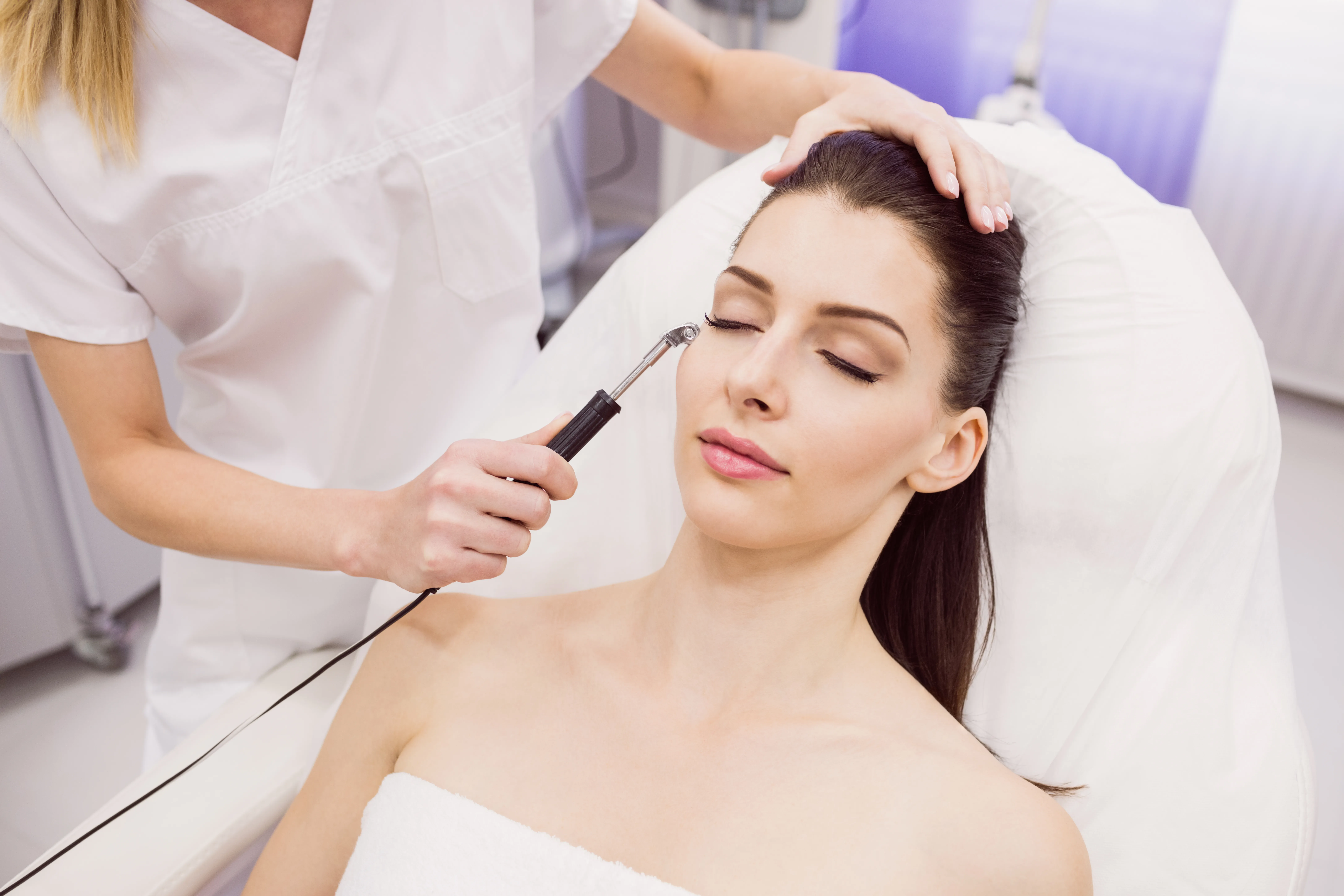
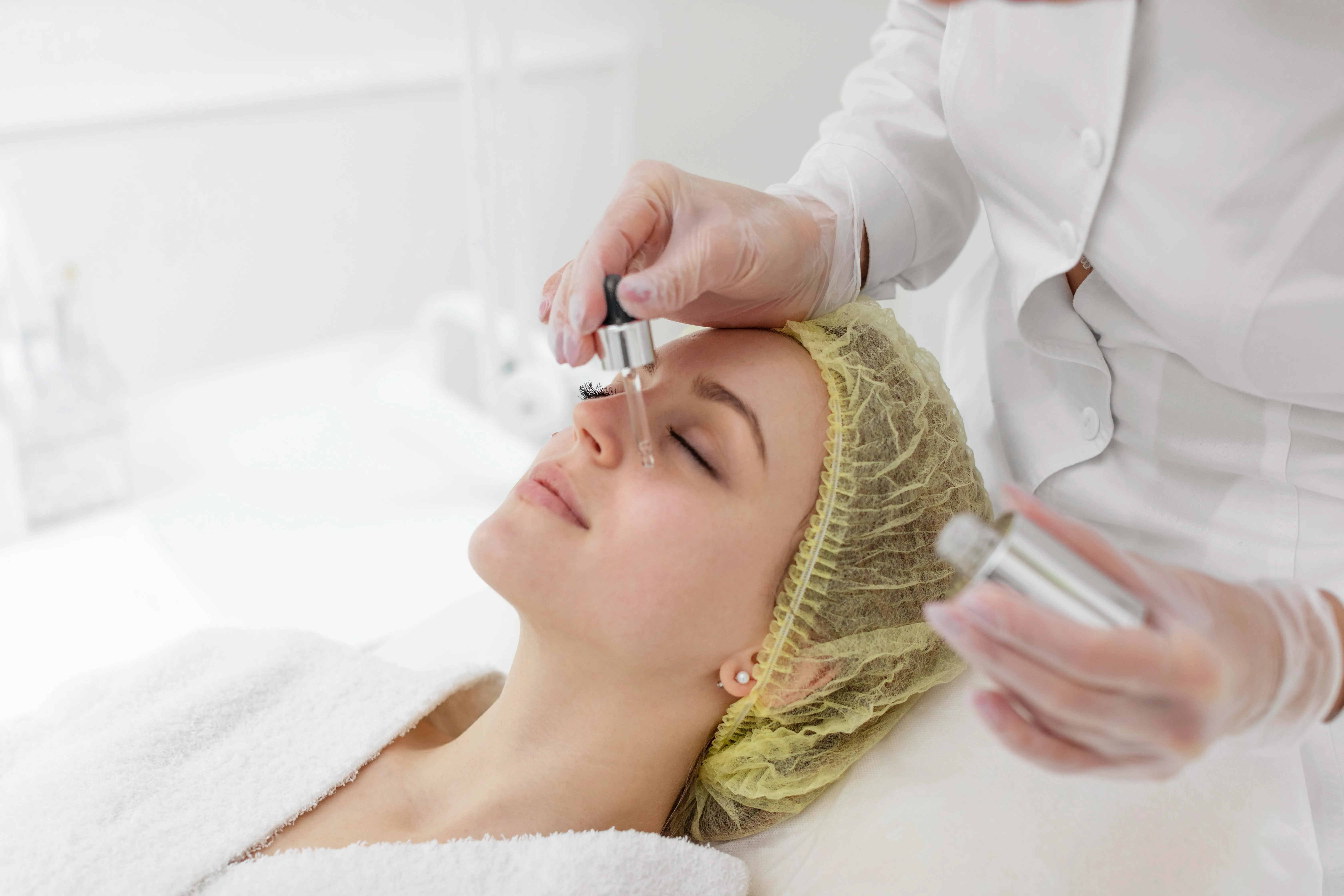
Even the most committed wellness routine has its limits. At Lumia Wellness, skin health is viewed as a whole-body matter. Treatments available to support skin wellness include:
- Skin Booster and Hydration Treatments — injectable hyaluronic acid to restore deep hydration, elasticity, and glow.
- Medical-Grade Facials and HydraFacials — professional deep-cleansing and nourishing treatments for immediate improvement in clarity and radiance.
- LED Light Therapy — a calming, non-invasive treatment to reduce inflammation and stimulate collagen production.
- Chemical Peels — resurface dull, uneven, and congestion-prone skin.
- Microneedling with Growth Factors — activates the skin's own collagen and elastin production.
Frequently Asked Questions
Can stress alone cause skin problems?
Yes — through a well-understood biological pathway. Chronic stress triggers sustained cortisol release, which increases sebum production, breaks down collagen and elastin, weakens the skin barrier, and slows the healing process. Managing stress is central to skincare, not secondary to it.
How quickly will my skin improve once I make wellness changes?
Most people notice improvements in hydration, radiance, and skin clarity within 2 to 4 weeks. Deeper improvements to tone, texture, and firmness typically take 8 to 12 weeks or longer. Consistency over time always produces better results than short bursts of effort.
Is there a proven link between diet and skin health?
Yes. The skin is built directly from the nutrients the digestive system absorbs. A diet high in refined sugar and processed foods drives glycation, which damages collagen fibres, while also increasing systemic inflammation. A whole-food diet rich in antioxidants, healthy fats, and adequate protein is one of the most powerful long-term investments in skin health.
Your skin health starts from within. Book your consultation at Lumia Wellness today.